
OUTDOOR LIFE SPRING
Hardangervidda along the length
Are you ready to experience winter outdoor life at its best – everything from sleeping in a tent under the stars to crossing the Hardangervidda plateau on skis?
This is what you will learn:
Introduction to mountain skiing
Kiting
Cooperation and community
Mastery in various weather conditions
Expeditions with tent and sleeping bag
Establishing basecamp
Map and compass
First Aid
Learn to make your own tour food
Nutrition on a long journey
Ice fishing
Kayaking
Skiing in the groomers
Climbing
Trip planning
Winter outdoor life
Snow cave bivouack
A true spring adventure
Winter brings ski trips with both daypacks and backpacks, and overnight stays in snow caves. You learn to thrive in the winter mountains. When the spring melts the snow, we end with canoeing, climbing and a solo night under the stars. We sleep under the open sky, go hiking along the coast.
When winter comes, we discover the mountain skis. We start with skiing technique and learn to move in varied winter terrain, both with a daypack and on longer trips with more equipment. You also get to try kiting and learn about avalanches, orienteering and safe travel in the winter mountains.
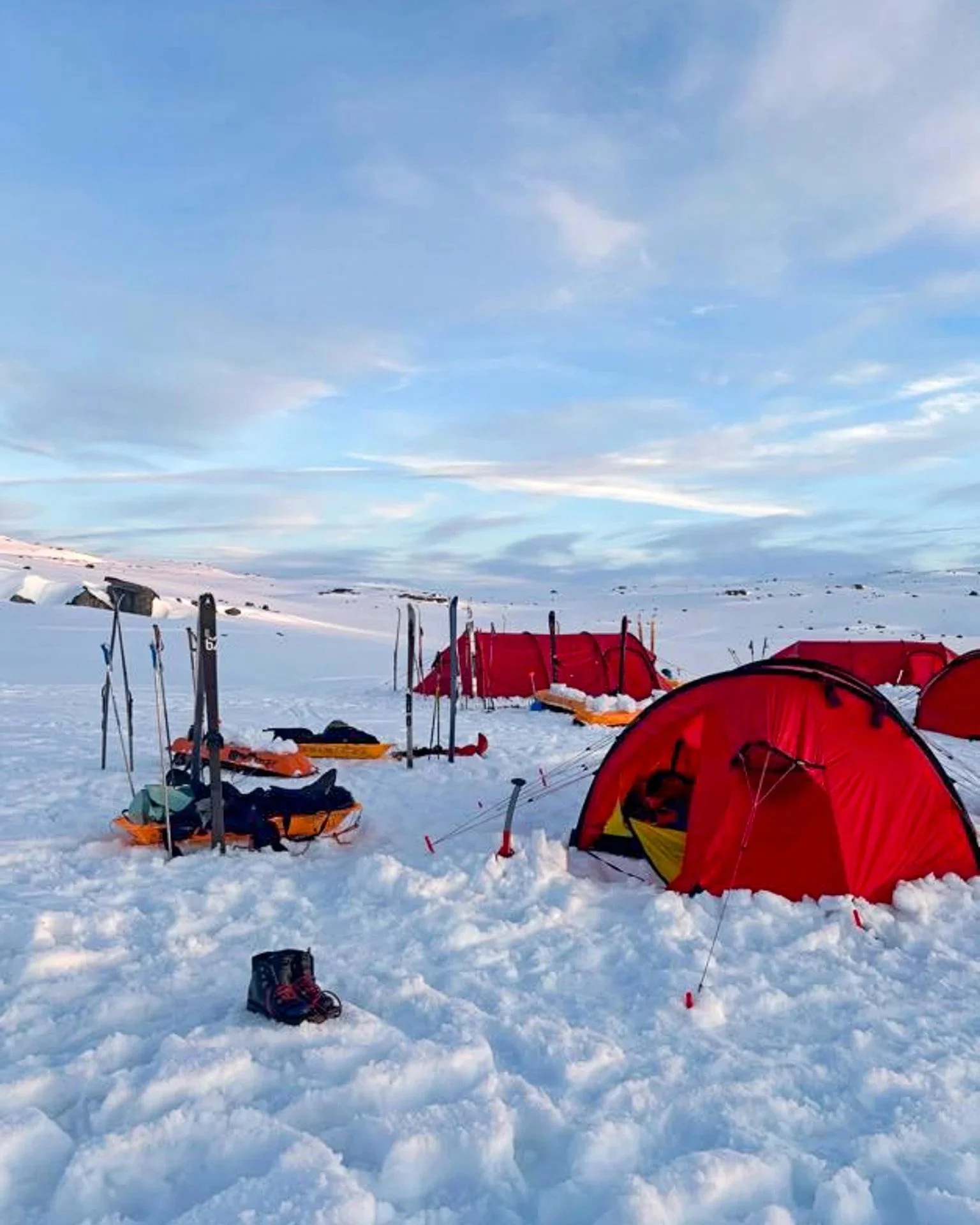
We go on overnight trips and learn how to stay warm and dry when it's cold. We set up camp, cook outside, and build and spend the night in a snow cave. Throughout the winter, you'll gain more experience planning trips and making good choices based on weather and conditions.
Some days are cold and challenging, others offer sunshine, great skiing conditions and long breaks outside. We spend time on the entire trip experience, from planning and packing to life in camp and the days on the skis.
When spring comes, outdoor life changes again. As the snow melts, we get out our canoes, climbing equipment, and hiking boots. We use the fjord, the mountains, and the areas around the school, and end the year with a solo night out.
Throughout the year you will get to try many different things, but you will also have time to get better at being outdoors. You will learn to plan, cooperate and take responsibility and gradually become safer and more independent on trips.
Best of all? You share all these experiences with others who also love the outdoors.
-
Skiing in Sogndal Ski Center
You can develop your skiing skills throughout the winter.Avalanche theory
You will learn about snow, avalanche terrain and how we assess weather, conditions and avalanche danger before and during a trip.Mountain skiing
We go on both short and longer ski trips and learn skiing techniques and how to move in varied winter terrain.Kiting
Try letting the wind pull you on skis across snowy expanses.Dog sledding
Join a dog sledding trip and experience the winter mountains behind a dog sled.Ice climbing
Try climbing frozen waterfalls with ice axes and crampons.Snow cave tour
We build our own snow cave and spend the night in it.Skating trip
When the ice conditions are good, we get out our skates and head out onto the frozen waters.Three days of skiing in Hemsedal
The whole school is traveling to Hemsedal, where we get three days of skiing and a lot of time together across the lines.Winter trip with accommodation
We go on longer trips and learn how to set up camp and thrive outside when it's cold.Canoeing, climbing and spring outdoor activities
When the snow disappears, we find canoes and climbing equipment and use nature in new ways.Solo night
Towards the end of the year, you get to spend a night alone outside and use the experiences and skills you have gained throughout the year.
Study trips

Study trip: Spring ski trip across Hardangervidda
One of the highlights of the outdoor life route is the long winter hike across the Hardangervidda plateau.
-
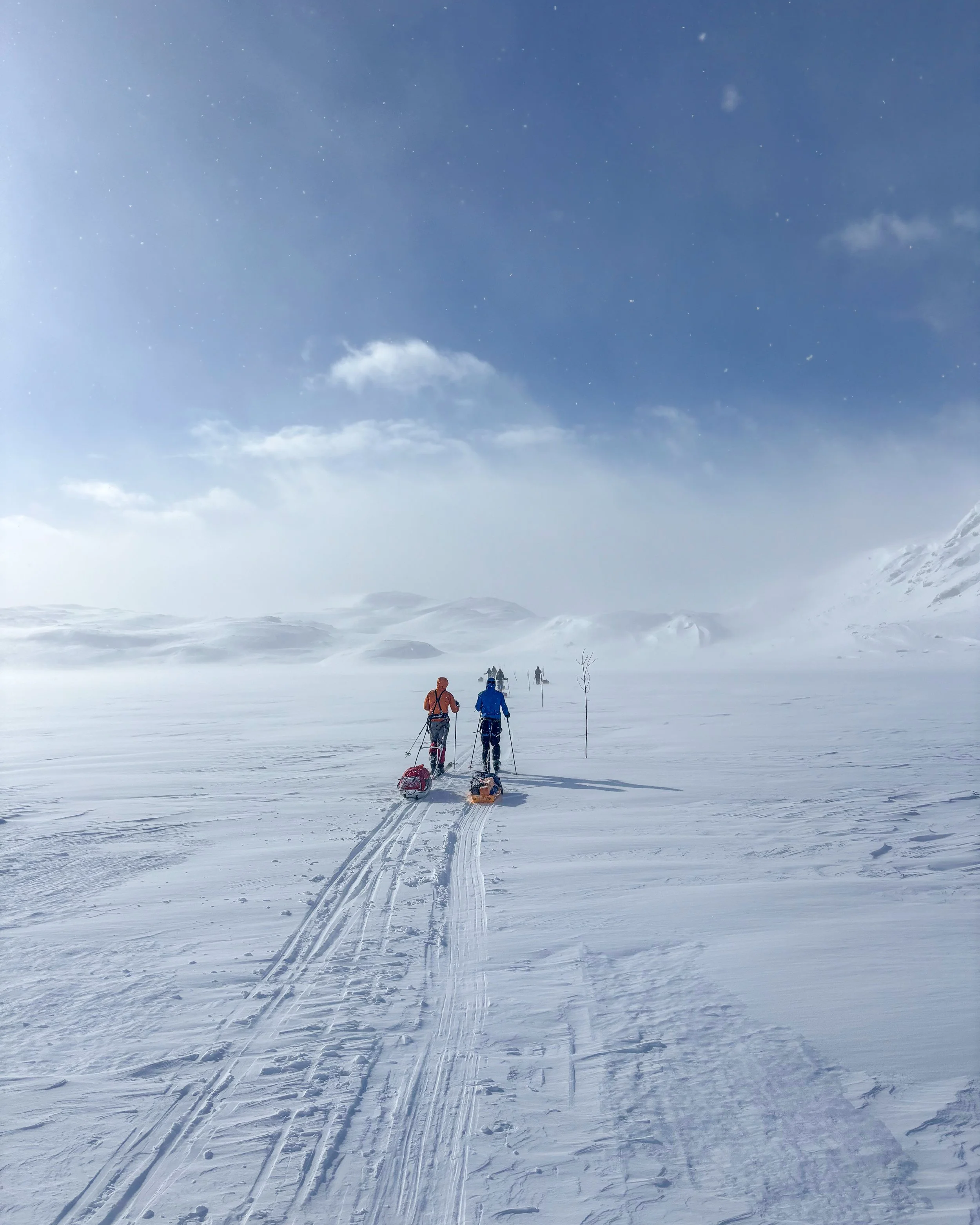
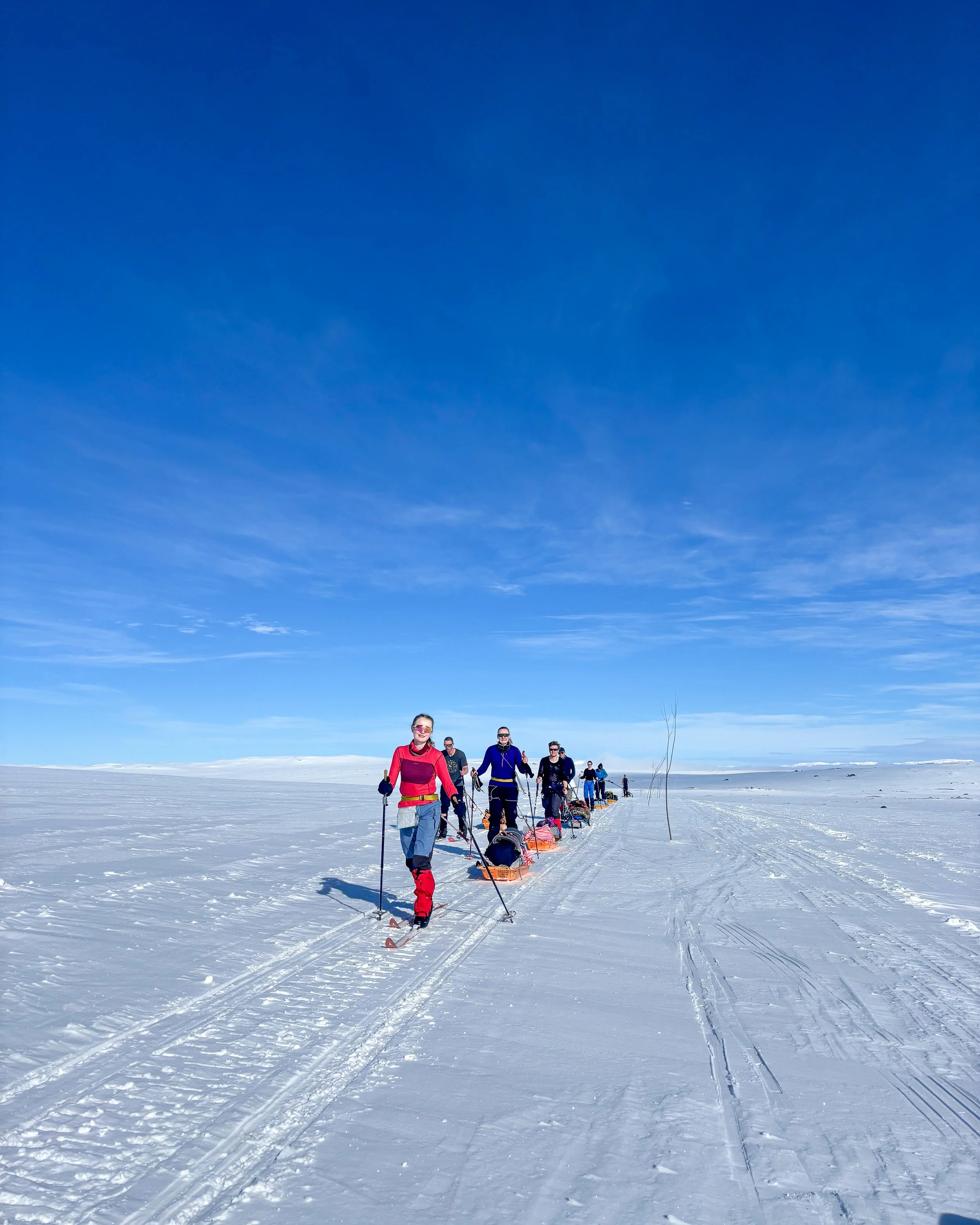
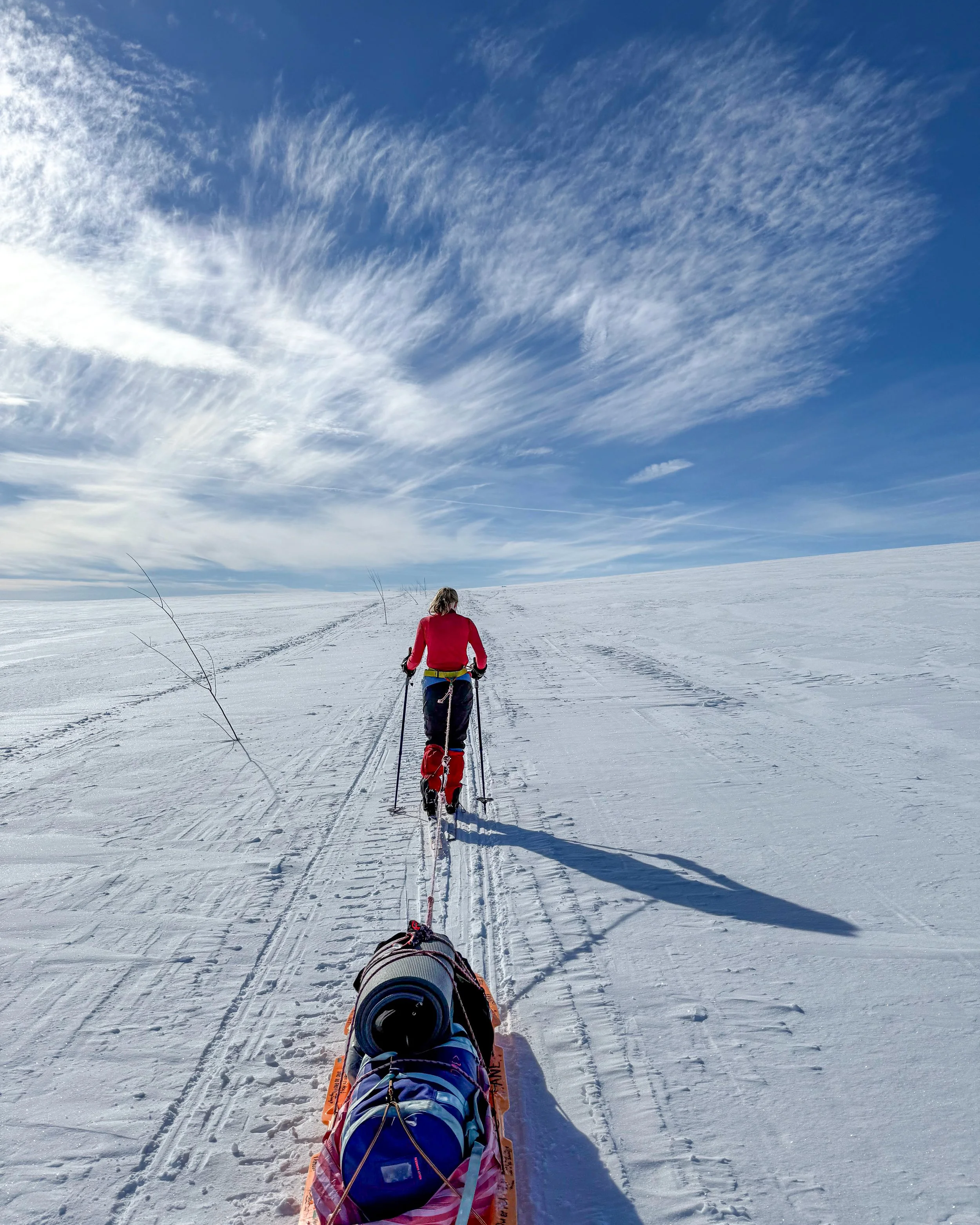
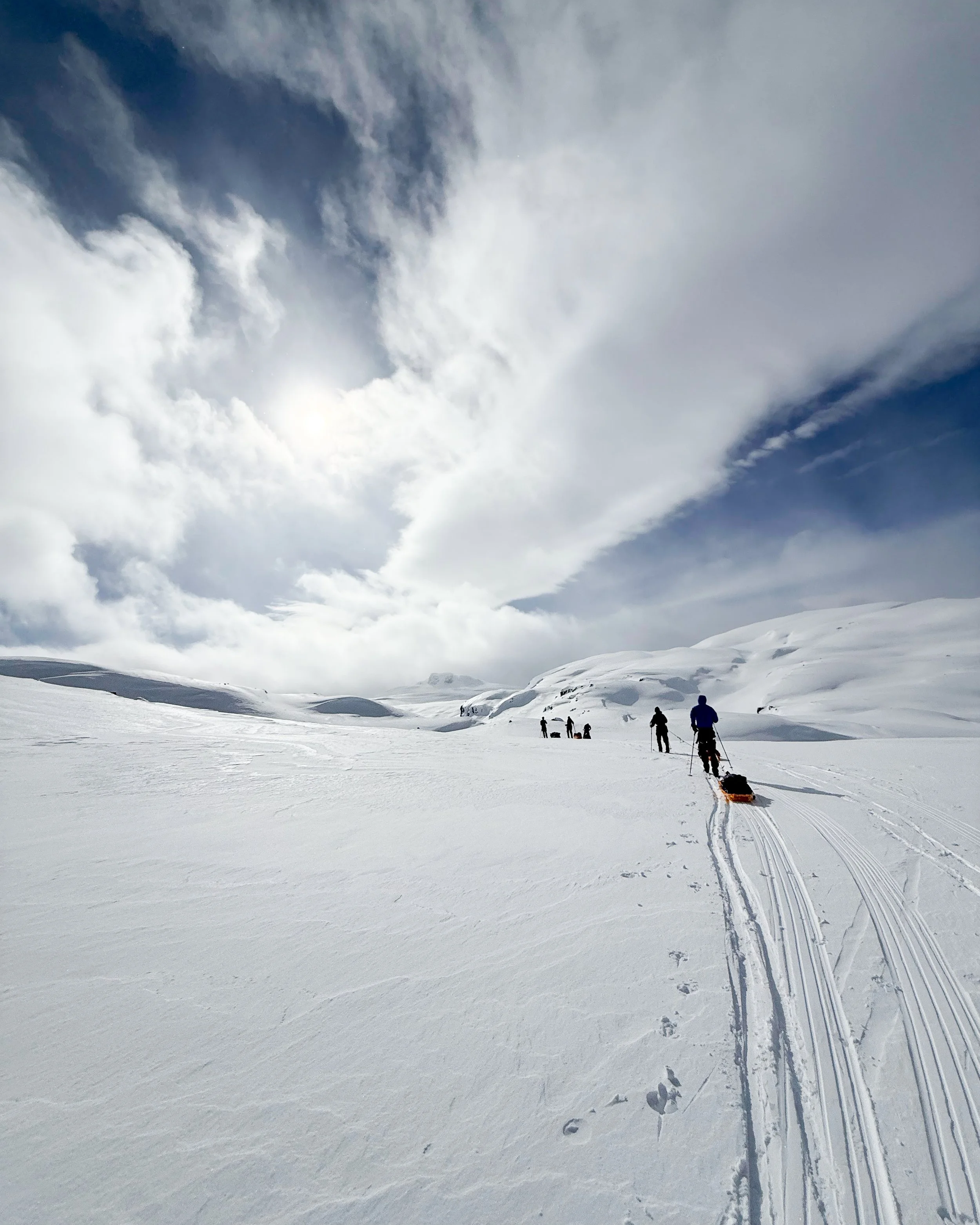
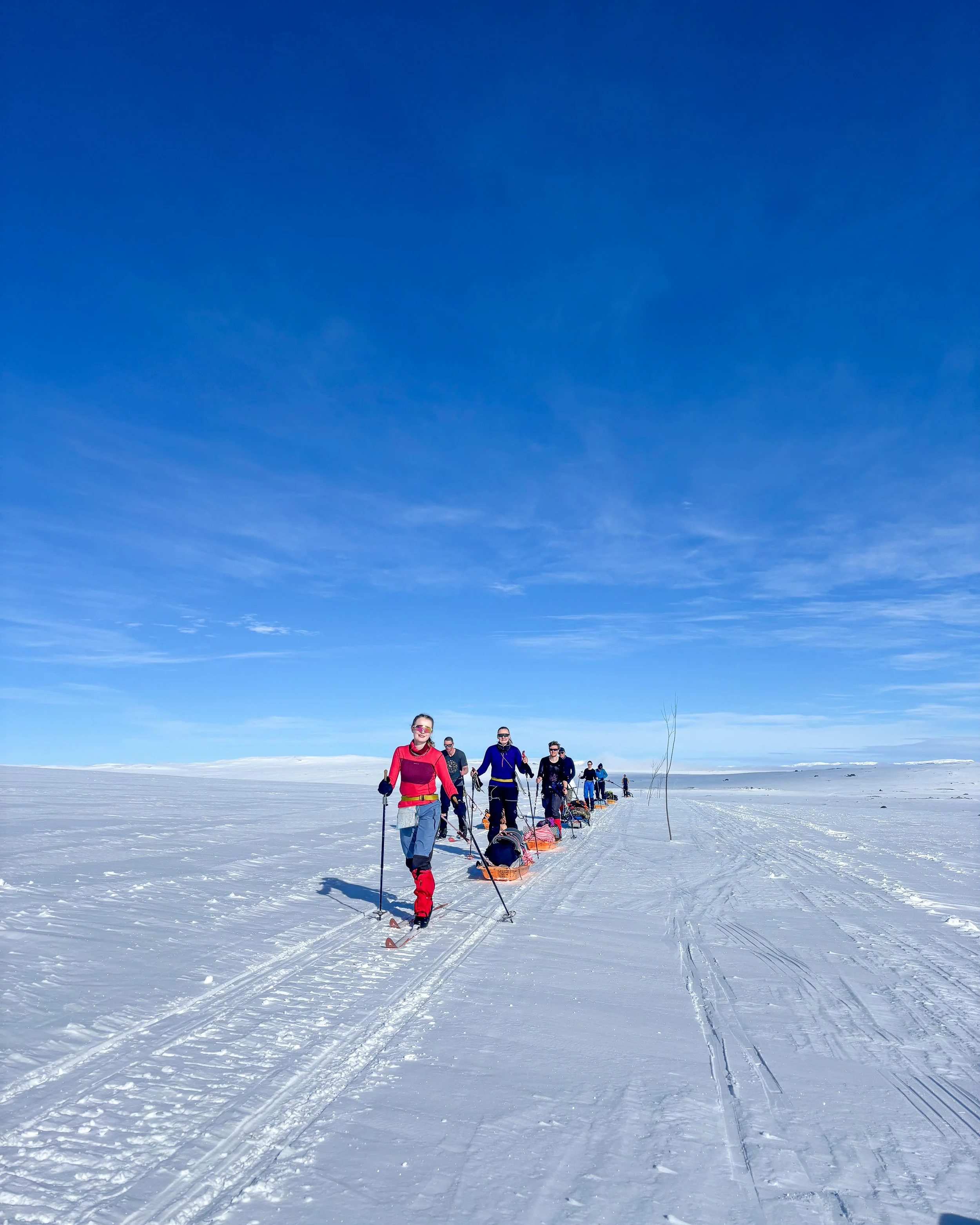
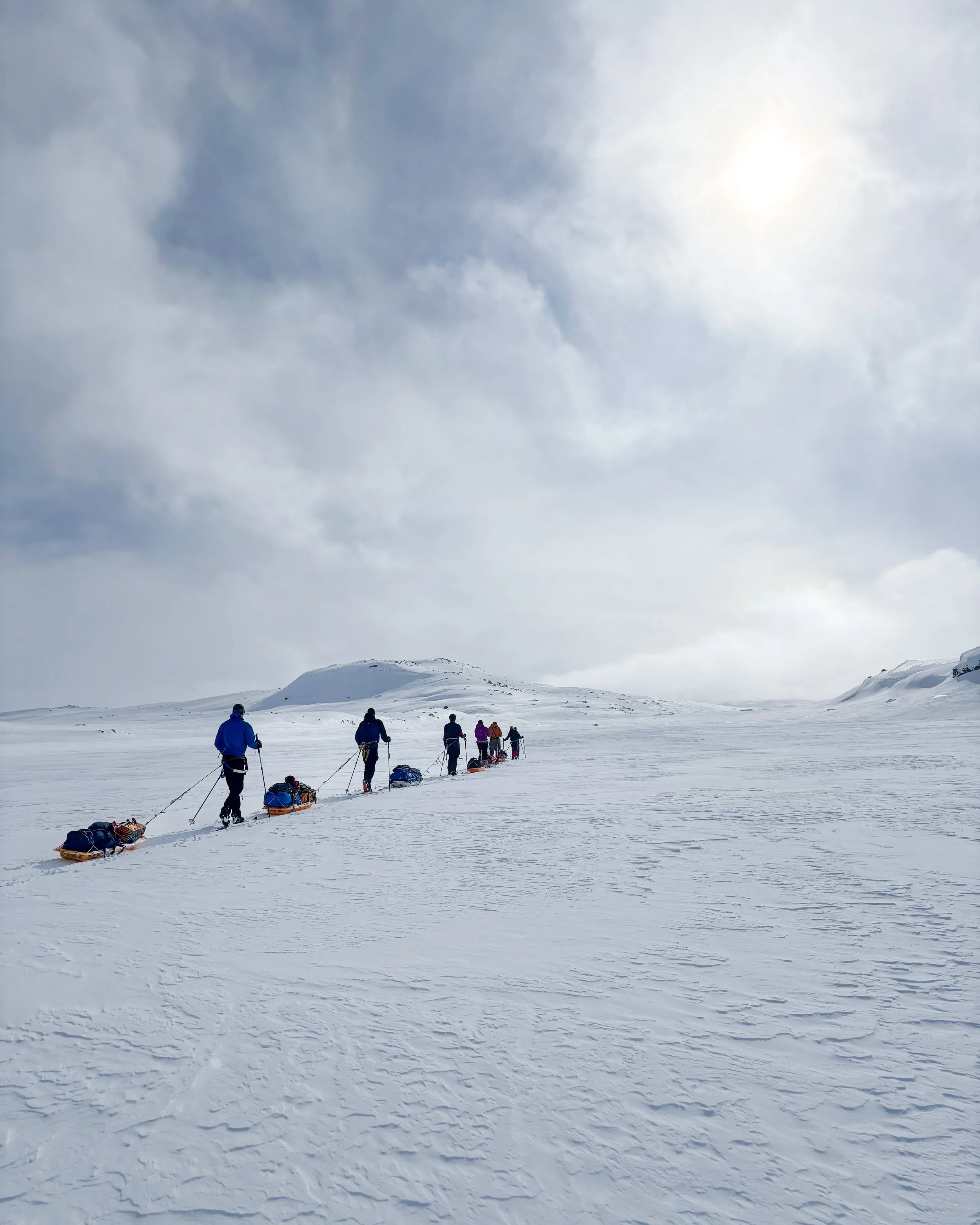
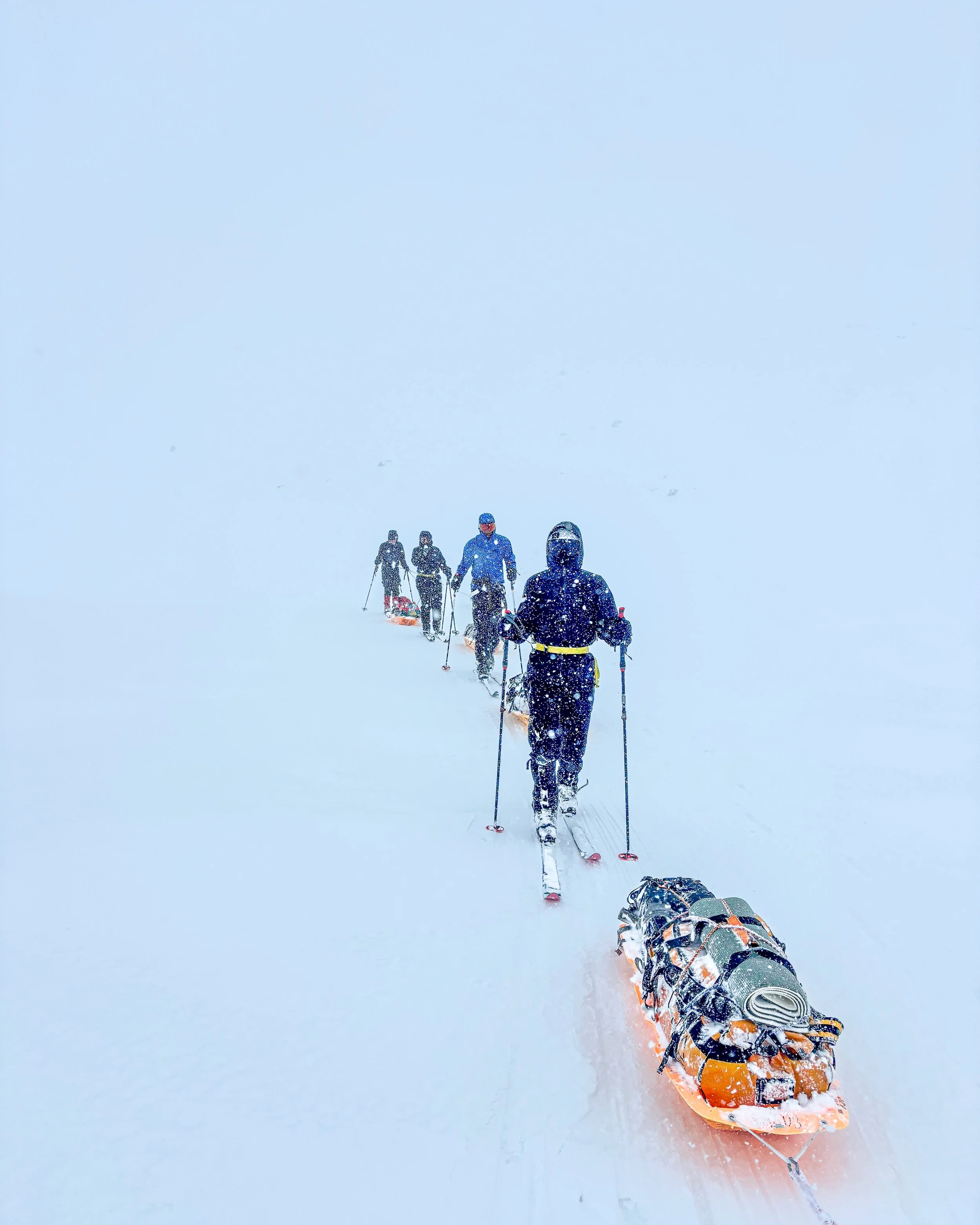
One of our big winter goals is to cross the Hardangervidda plateau on mountain skis. We pack our sleds and backpacks with what we need for several days out and set off on a trip across one of Norway's largest high mountain areas.
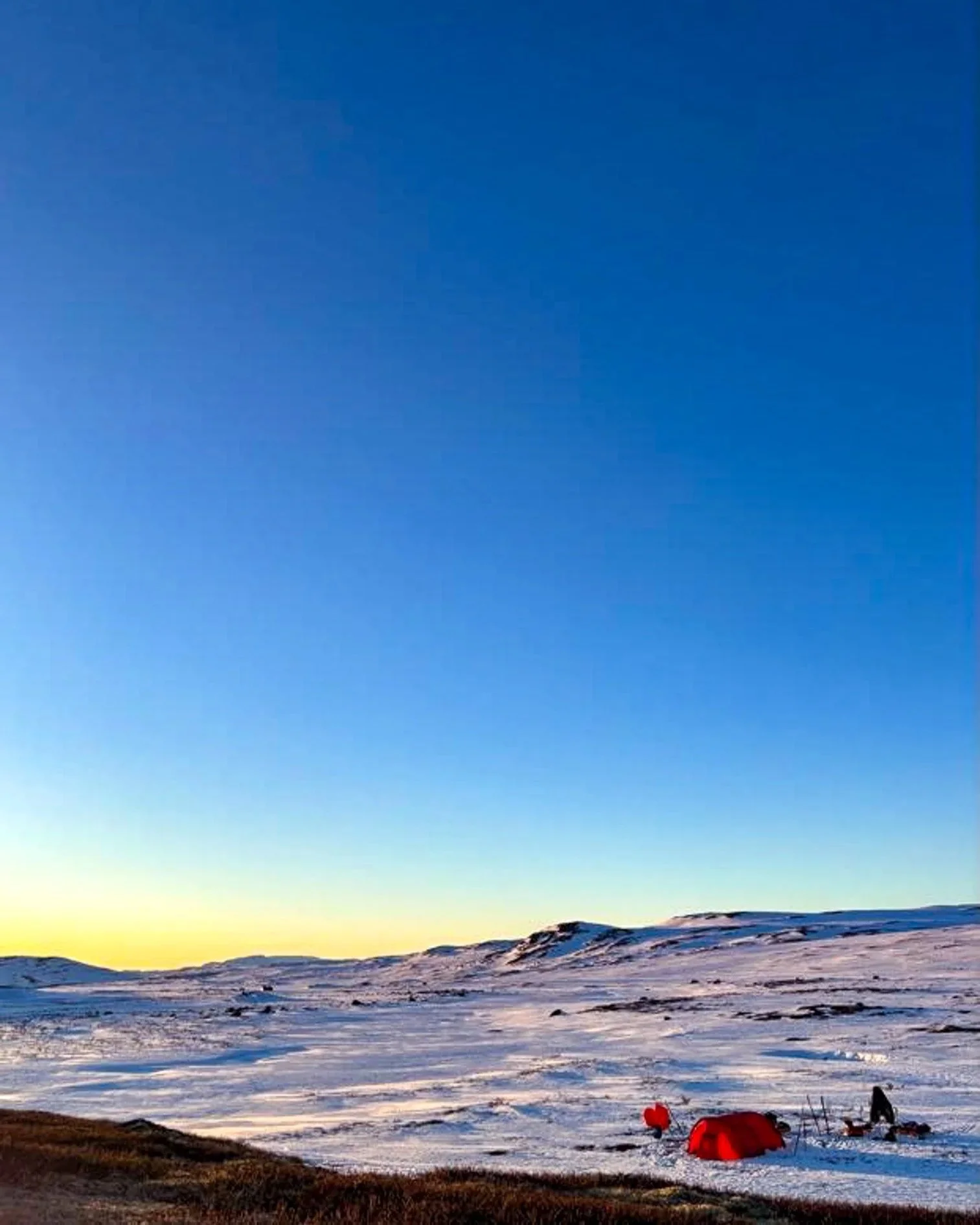
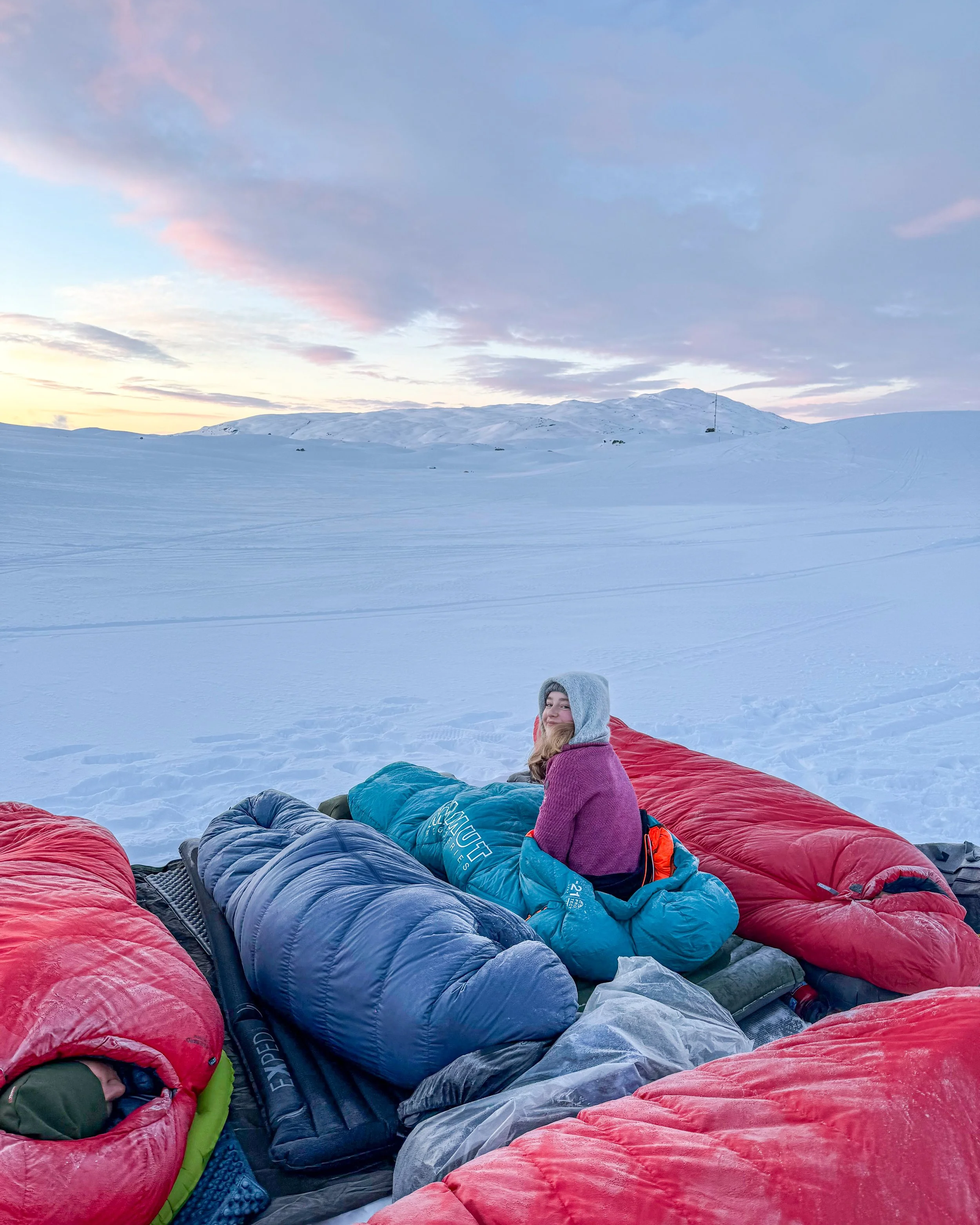
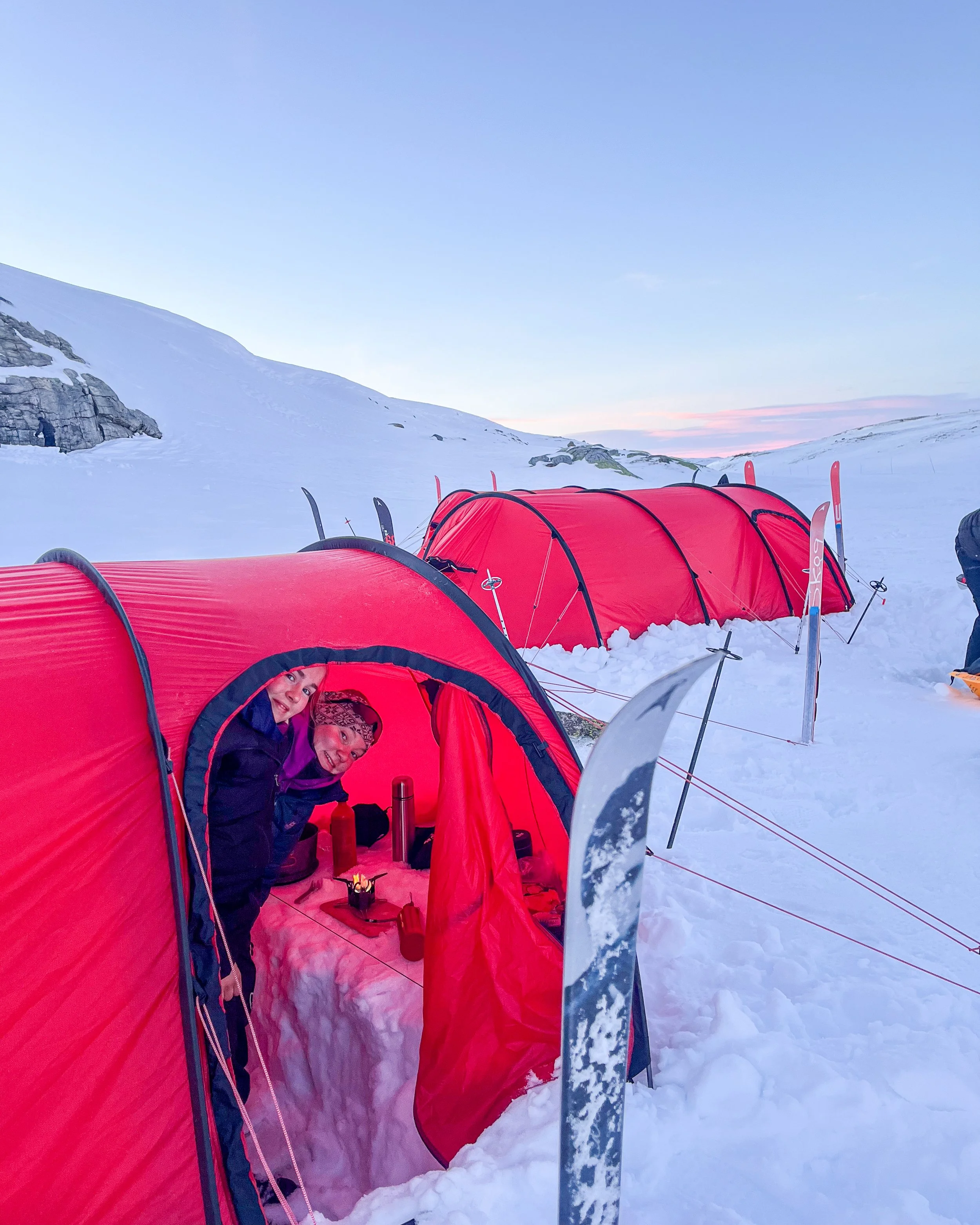
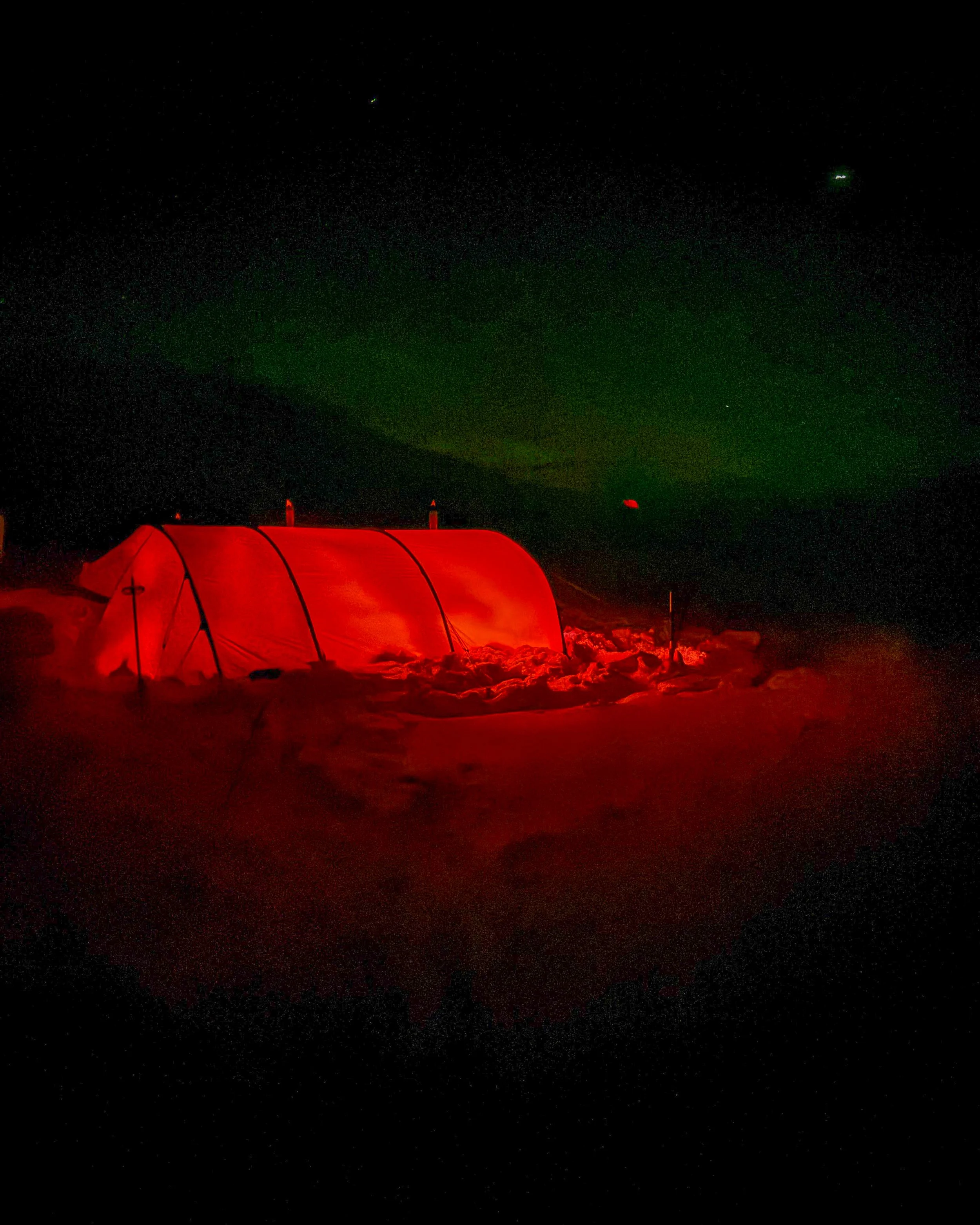
The days are spent skiing across open spaces. We orient ourselves with maps and compasses, assess weather and conditions, and find good places to camp. When the day's stage is over, we set up tents, melt snow into water, and cook before crawling into our sleeping bags.
At Hardangervidda you will get to use a lot of what we have been working on throughout the winter. You will learn how to pack and organize your equipment, stay warm and dry, and make everyday life work when you are going to be living outside for several days in a row.
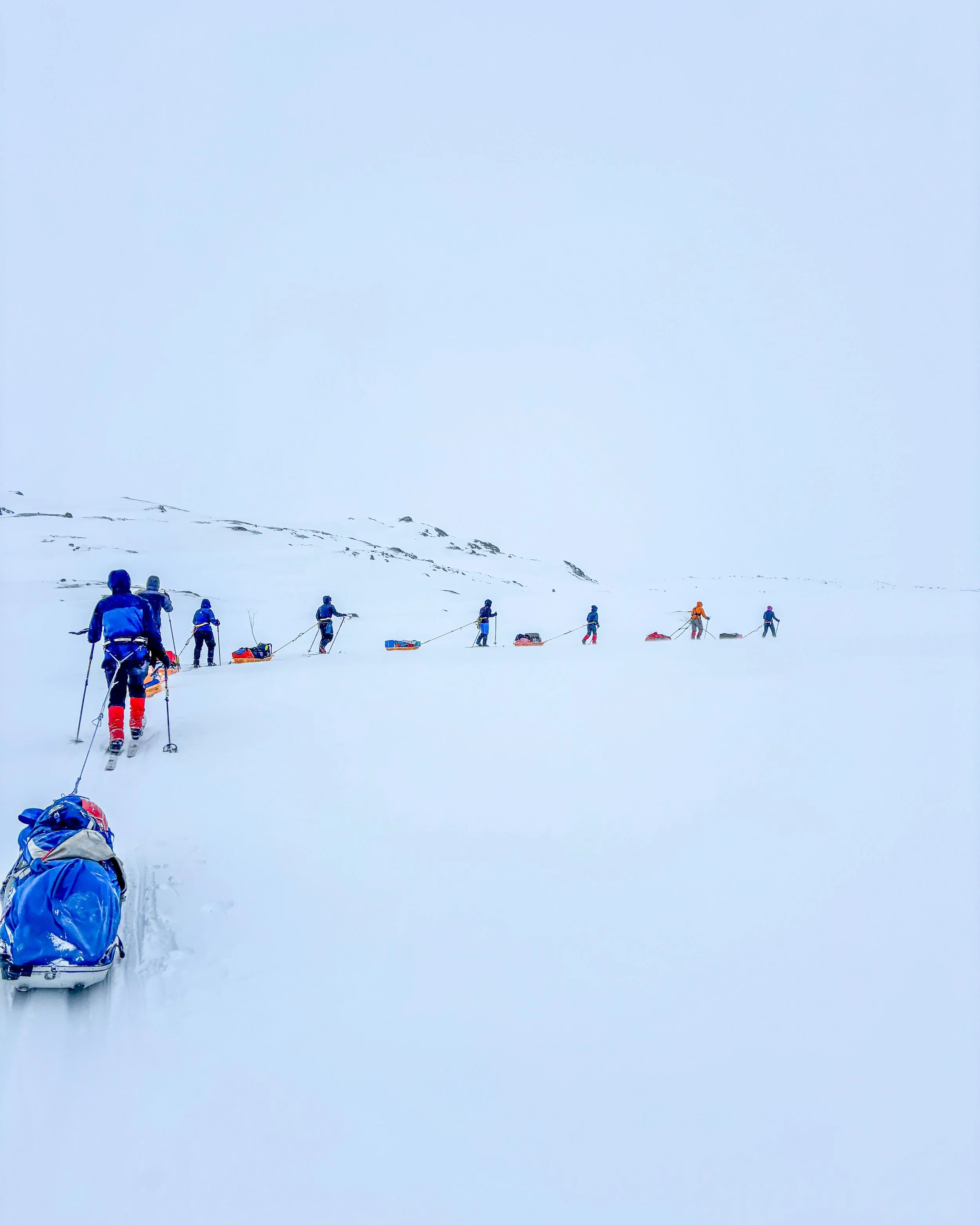
The weather on the plateau can change quickly, and we must be prepared to adjust both the route and plans along the way. It gives good experience in making decisions together and adapting the trip to the conditions we encounter.
Crossing the Hardangervidda plateau is also about community on the trail. We share tasks, help each other when the days get long, and experience the mastery of moving forward together.
When the trip is over, you will not only have crossed the Hardangervidda plateau on skis. You will also have gained experience in planning and carrying out a longer winter trip, and in living and enjoying the outdoors for several days.





Equipment list
For an active year with outdoor life in challenging West Norway nature, you need some equipment.
The overview below covers the personal equipment you will need. Remember that good old equipment is often just as useful as the newest model, so look in your attic or borrow from your loved ones! Included in the price, all students at Sogndal Folk High School receive a training card at the Sports Center with access to all facilities.
-
• Shell jacket and shell pants (windproof, waterproof and durable)
• Hiking pants
• Hat and scarf (preferably wool)
• Woolen mittens and gloves (simple and warm – affordable ones can be found at Biltema/Felleskjøpet)
• 2 sets of wool underwear
• A warm mid-layer (wool sweater, Primaloft or down jacket)
• Workout clothes and sneakers (indoor and outdoor – old clothes work fine)Shell mittens
Warm down jacket
-
• Daypack (approx. 40 liters)
• Sleeping mats (for winter you need 2)
• Plate, cutlery and cup
• Drinking bottle that can withstand boiling water (e.g. Nalgene – also sold at school)
• Headlamp (doesn't have to be advanced)
• Map folder and compass (360 degrees)
• Stationery
• Thermos
• First aid kit (sports tape, chafing plasters, individual pack, painkillers)
• Travel insurance
• European Health Insurance Card
• Passport
• Simple bicycle (for use on asphalt in the local area)
• Bicycle helmet
• Backpack of approximately 70 liters
• Warm sleeping bag (comfort down to -20°C)
• Knife
• Sunglasses and sunscreen
• Ski boots, mountain skis and poles
• Ski traps
• Leggings
• Shovel and search rod
• Winter sleeping bag (-20 °C)
• Ski goggles
• Sheet bag

Our outdoor education teacher:
Pål Korsnes Støylen
Pål has an extensive educational background that includes a master's degree in physical education, sports and outdoor life. He is also a trained agronomist and educator, which gives him broad expertise in both scientific and educational areas, and he exudes a comprehensive knowledge base in his teaching and guidance of students.
Pål with an Å has endless enthusiasm and is eager to get the most out of life. He's keen to get the best out of everyone around him, which he does with a twinkle in the eye and an appropriate comment. It's incredibly easy to fall in love with this talented, calm guy with a huge range of interests.
paal@sogndal.fhs.no 482 67 398
